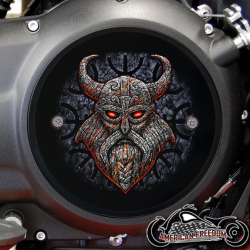
A Victory was never built for riders who want to blend into a parking lot. The big V-twin, muscular bodywork, and unmistakable stance already make a statement. Victory motorcycle engine covers give you a chance to make that statement yours, whether that means a weathered American flag, a hard-charging skull, a military badge, a personal logo, or artwork nobody else on the road can claim.
The right cover is not just a shiny extra bolted to the side of your motor. It is a focal point that sits inches from the pavement, catches light at every stop, and tells people exactly what kind of rider owns the machine. Get the fitment right, choose art that belongs on your bike, and use a finish that can take the heat. That is how you set your ride off without turning it into a collection of random parts.
Why Victory Engine Covers Make Such a Big Visual Change
On a Victory, the engine is out in the open where it belongs. Unlike a small trim piece tucked under a seat, a derby cover, timing cover, or inspection cover sits in one of the most visible areas of the motorcycle. It breaks up all that metal and gives your eye somewhere to land.
That makes engine covers one of the cleanest ways to change a bike's attitude without tearing into the motor or replacing major bodywork. A blacked-out cruiser can become darker and meaner with a Reaper graphic. A patriotic build can carry a We The People flag where everyone can see it. A custom image can turn a factory-looking bike into a personal machine before the kickstand is even up.
There is a practical side, too. Decorative covers let riders add serious visual punch without sacrificing the parts that make a Victory a Victory. You are working with the bike's existing engine layout, not trying to force a style that fights the motorcycle's design.
Start With Exact Victory Fitment
The bad news about buying engine covers by appearance alone is simple: a great graphic on the wrong part is still the wrong part. Victory models, engine families, and cover locations can use different dimensions, bolt patterns, clearances, and shapes. Never assume a cover fits because it looks close in a product photo.
Before ordering, identify your motorcycle's model, model year, and the exact cover you are replacing or dressing up. Check the number and placement of mounting holes, the cover diameter or outer shape, and any details around the clutch, timing, or inspection area. If you have removed the original cover before, compare it directly. A quick measurement now beats a box arriving with a part that cannot mount.
Know Which Cover You Are Looking At
Riders often use the phrase engine cover to describe several different pieces. A derby cover commonly sits over the clutch access area and is usually the visual heavyweight. A timing cover is often smaller and positioned near the cam or timing area. Inspection covers, horn covers, and other accent pieces can carry the same artwork to create a complete theme across the bike.
One standout cover can be the right move if you want a clean, restrained build. Matching multiple covers works when the art is strong enough to support a full visual package. It depends on the bike and the image. A detailed portrait, for example, may hit harder on one larger cover than repeated in miniature across every available piece.
Do Not Guess at Hardware and Clearance
A proper cover needs more than a matching outline. Confirm whether the existing fasteners are reused, whether new hardware is required, and whether a gasket or seal needs to be replaced during installation. Pay attention to raised features, nearby floorboards, brake components, exhaust routing, and anything else that could interfere with the cover.
If the part seals an engine opening, treat the job with the respect it deserves. Follow the motorcycle's service specifications for torque and gasket installation. Overtightening can damage threads, distort a cover, or create a leak that ruins a good afternoon fast.
Pick Artwork With Enough Backbone
A custom cover should look intentional from ten feet away and still reward a closer look. That calls for artwork with contrast, clear shapes, and a point of view. Tiny details that look perfect on a phone screen can disappear once reduced to the size of an engine cover.
High-contrast skulls, eagles, flags, flames, military insignia, pinup art, outlaw graphics, and bold typography tend to read well. So do personal emblems, unit-related imagery, business logos, and family photos, provided the source image is sharp enough. The best choice is not always the busiest one. One powerful image can take your breath away more effectively than ten elements fighting for space.
For a custom photo or logo, start with the best file you have. Original artwork or a high-resolution image gives the finished piece the detail it deserves. A blurry social media screenshot may still be meaningful, but it will not magically become crisp when printed larger. Good artwork in produces good artwork out.
Build Around the Rest of the Motorcycle
Look at your paint, wheels, bars, seat, pipes, and existing chrome or black finishes before choosing a cover design. A bright full-color graphic can be the hero on a mostly black bike. On a paint-heavy custom, a monochrome cover may provide needed balance. Chrome can make color pop, while black finishes can push a darker graphic into a more aggressive lane.
Do not feel obligated to match every accessory perfectly. A little contrast keeps a build alive. But there should be a thread connecting the choices, whether it is color, attitude, subject matter, or finish. Your Victory should look like one rider built it, not like four different catalog pages collided in the garage.
What Durability Really Means on an Engine Cover
This is not wall art. An engine cover deals with heat cycles, vibration, rain, road grit, boot scuffs, cleaning products, and sunlight. That is why the artwork process matters as much as the design itself.
Precision-machined parts provide the foundation. A quality hard-coat imaging process then puts full-coverage, photo-quality artwork onto the component in a way designed to hold its color and detail through real use. That differs from a temporary decal approach, where edges can lift, moisture can work underneath, and the graphic begins looking tired long before the bike does.
No finish is invincible. A crash, rock strike, harsh solvent, or abrasive scrub pad can damage almost any surface. Still, riders should expect a purpose-built motorcycle cover to handle normal washing, normal weather, and the heat of regular riding without becoming another fragile show-bike detail.
Care Without Babying the Bike
Wash the cover with mild soap, water, and a soft cloth or sponge. Avoid harsh chemical cleaners and aggressive abrasives. Let the engine cool before cleaning so cold water and cleaners are not hitting scorching metal, and wipe residue away rather than letting it bake on.
That is not high-maintenance ownership. It is basic respect for a custom part built to live on a running motorcycle. A few minutes of smart care keeps the finish looking as loud as the day it went on.
Made-to-Order Is Worth the Wait
There is a difference between pulling a generic cover from a warehouse bin and choosing a part built around your selected fitment, finish, and artwork. Made-to-order construction gives riders room to get whatever image their heart desires, from a ready-made Gunfighter or Day of the Dead design to a logo, photograph, or original concept that belongs to them alone.
The trade-off is straightforward: custom work is produced after the order is placed, not grabbed from a shelf. That means you should confirm fitment, review your artwork, and make color and finish decisions carefully before committing. Custom parts are personal by nature, and they deserve deliberate choices.
Custom Derby Cover builds that kind of personality into precision-machined, hard-coated accessories made for riders who are done with cookie-cutter parts. The goal is not to make every Victory look the same. The goal is to make yours impossible to mistake for anyone else's.
Make the Cover Part of the Ride
A Victory motorcycle engine cover can honor a service branch, carry your shop's mark, show off a family memory, or simply put a mean piece of art where plain factory metal used to be. Choose the cover that fits, give the artwork room to hit hard, and install it right. Every time you walk back to your bike, it should feel like it is waiting for you - not just any rider.