A personalized motorcycle engine cover is not some throwaway add-on hidden in the garage. It sits right in the heart of the bike, where chrome, blacked-out hardware, polished aluminum, and raw attitude meet. When the motor is the soul of your Harley, Indian, Victory, or Suzuki, the cover bolted to it should say something louder than a stock factory stamp.
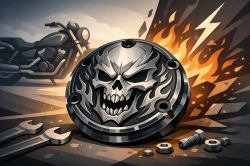
A skull with teeth. Your military unit emblem. A family photo that means more than any catalog graphic. A weathered American flag, a pin-up, a memorial design, your club logo, or artwork nobody else on the road can claim. The right cover does more than decorate your engine. It sets your ride off.
Why a Personalized Motorcycle Engine Cover Carries Weight
A custom paint job can stop traffic, but it is a big commitment. New wheels, pipes, and performance upgrades can change the ride, but they often carry a much bigger price tag. An engine cover lands in a sweet spot: highly visible, deeply personal, and practical enough to bolt on without rebuilding half the bike.
That matters for riders who are done with cookie-cutter accessories. Plenty of parts fit a Harley. Not many turn a personal image, a hard-earned symbol, or a piece of original art into a functional part of the motorcycle. A personalized cover gives the bike a signature without asking permission from the dealership display wall.
It also puts the detail where riders notice it. Walk up to the left side of a Big Twin, Twin Cam, Milwaukee-Eight, or Sportster, and the derby cover is right there. On the right platform, a timing cover, inspection cover, horn cover, fuel door, or console cover can carry the same visual punch. One strong piece can anchor a whole theme, whether the bike leans black-and-chrome outlaw, red-white-and-blue patriot, dark reaper, old-school hot rod, or full custom show build.
Start With Fitment, Not Just a Badass Image
The toughest graphic in the world is useless if the part does not fit your bike. Engine covers are not universal decorations. Bolt patterns, cover diameters, clearances, and platform details matter. Before choosing artwork, know exactly what you are mounting it to.
For Harley riders, that usually means identifying whether you have a Big Twin, Twin Cam, Milwaukee-Eight, or 883/1200 Sportster application. Even within a model family, the right cover depends on the specific location and configuration. A derby cover is not a timing cover. An inspection cover is not a horn cover. They may all be round, polished, black, or machined, but they are built to do different jobs on different mounting points.
The same rule applies to Indian, Victory, and Suzuki motorcycles. Start with the make, model, year, and the exact cover you want to replace. If you are unsure, check the existing part’s shape, bolt count, and placement before ordering. Taking two minutes here saves a whole lot of aggravation later.
Fitment is also where serious craftsmanship shows. Precision-machined parts give the cover a proper base, clean edges, and the confidence that it belongs on the motorcycle instead of looking like it was forced onto it. A custom part should look intentional from every angle, including the one where your buddies lean in close at a gas stop.
Choose the Cover That Gets Seen
A derby cover is the natural first move for many Harley owners because it is a high-visibility centerpiece. It works especially well for bold faces, flags, insignias, lettering, and graphics with a clear focal point. If your design has a strong center, this is the place to let it hit.
Timing and inspection covers are smaller canvases, but that can be exactly the point. They work well as supporting pieces that repeat a symbol, color, or detail from the larger derby cover. A matching set can make a motorcycle look built, not merely accessorized.
Horn covers, fuel doors, and console covers open up even more territory. They are ideal when you want a theme to travel through the bike without covering every square inch in the same image. The difference between a clean custom build and visual overload is usually restraint. Pick a hero piece, then let the smaller pieces back it up.
Your Artwork Needs More Than a Good Idea
Getting whatever image your heart desires on a motorcycle part is the fun part. Making sure it looks right once it is printed, coated, mounted, heated, and exposed to the real world is where the details earn their keep.
High-resolution artwork produces the sharpest result. A crisp original photo, clean logo file, or properly sized digital design gives the imaging process enough detail to work with. A screenshot grabbed from social media may look fine on a phone, then turn soft or pixelated when stretched across a physical cover. If the image matters, start with the best version you can get.
Think about the shape of the part, too. A circular derby cover favors centered portraits, emblems, skulls, badges, and graphics that radiate outward. A long console cover gives you more room for text, flames, flags, or a scene with movement. Tiny lettering can get lost, especially on smaller covers, so bold lettering and strong contrast usually win.
Personal photos can make the most powerful designs. A fallen brother’s portrait, a child’s drawing, a dog that rode everywhere with you, or a meaningful service image can turn a machine part into a tribute. That kind of build deserves care. Keep the composition simple, make the subject easy to read, and avoid cramming too many memories into one small space.
Hard-Coat Finish Is What Separates Art From a Decal
Motorcycle engine covers live a hard life. They deal with heat cycles, road grit, vibration, fuel splashes, weather, cleaning products, boots, and the occasional careless wrench. A paper-thin sticker or low-grade surface print might look good when it goes on, then start telling a different story after a season of riding.
That is why a high-heat hard-coat imaging process matters. Full-coverage, photo-quality artwork is applied to the part and protected by a durable finish designed to hold its color and detail for the life of the motorcycle. You are not dressing up a disposable trinket. You are building a real component that can stand up to real miles.
There is still a trade-off. No finish is invincible against deep gouges, dropped tools, aggressive abrasives, or a crash. Treat a custom cover like the custom part it is. Wash it with sensible motorcycle-safe products, use a soft cloth, and do not attack it with harsh compounds unless you know they are safe for the finish. Durability is not an excuse for abuse, but it means the artwork is built for the road rather than a glass case.
Build a Theme Without Making the Bike Look Busy
The strongest custom motorcycles usually have a clear point of view. That does not mean every part has to match exactly. It means the pieces know what they are doing together.
If your bike carries a We The People flag design on the derby cover, a smaller matching accent on the timing or inspection cover can tie the look together. If you run a Dark Angel Reaper graphic, keep nearby finishes black, machined, or muted so the artwork stays in command. A Day of the Dead design can carry rich color, but it looks even stronger when the rest of the bike does not compete with it.
Your engine cover can also be the one wild card on an otherwise clean bike. A black Road Glide with a single Gunfighter-style derby cover has a different kind of confidence. It does not need to scream from every panel. The contrast makes the statement hit harder.
Custom Derby Cover is built around that idea: made-to-order parts for riders who want their own photo, logo, design, or hard-hitting graphic permanently worked into the machine. The goal is not to make every bike look alike with a different SKU number. The goal is to make yours look like yours.
Make the Part Personal Enough to Keep
The best design is rarely the one that gets the most likes for a week. It is the one that still means something when the bike has another 20,000 miles on it. Choose artwork with a story, a symbol you stand behind, or a visual that makes you grin every time you walk into the garage.
Then give it the fitment, machining, and hard-coat finish it deserves. Your motorcycle already has a motor. Give it a face that has your name all over it.