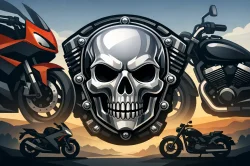
A skull motorcycle engine cover is not a quiet upgrade. It is the piece that turns a stock primary or cam chest from factory hardware into a warning label. Whether your bike wears blacked-out parts, polished chrome, military colors, old-school flames, or a full custom paint job, skull artwork brings a hard-edged identity that does not need explaining at a stoplight.
The trick is making sure the attitude comes with the right fit, the right cover location, and a finish built to survive real riding. A great graphic on the wrong part is still the wrong part. Get it right, and a skull cover can set your ride off every time the kickstand goes up.
What a Skull Motorcycle Engine Cover Actually Changes
Engine covers occupy some of the most visible real estate on a V-twin. They sit low, exposed, and directly in the line of sight when somebody walks up to your bike. A skull design can sharpen a stripped-down blacked-out build, give a bagger more personality, or tie together a theme already running through your tank art, seat, grips, and paint.
It also gives you more range than a generic chrome replacement. A weathered skull can bring old-school grit. A flaming skull leans loud and aggressive. A Day of the Dead design carries color and detail. A reaper, demon, patriotic skull, military skull, or a skull built around your own logo takes the message even further.
The best choice depends on the rest of the motorcycle. On a clean, dark Street Glide, a detailed full-color skull graphic can become the focal point. On a bike already packed with paint, chrome, and accessories, a black-and-gray skull may have more punch because it does not fight for attention. There is no rule saying every custom part has to scream. The point is to make it yours, not make it look like everybody else's catalog build.
Know Which Cover You Need Before You Order
“Engine cover” gets used as a catch-all phrase, but motorcycles use several different covers, and they are not interchangeable. Fitment comes first. Before choosing artwork, identify the exact part you are replacing and the engine platform under you.
Derby Covers
The derby cover is the round cover on the primary side of many Harley-Davidson models. It is one of the most popular locations for skull artwork because it is highly visible and gives the design a clean, defined canvas. Depending on your bike, the bolt pattern, diameter, and profile can vary. A cover made for one platform may not fit another, even when both look close in a photo.
Big Twin, Twin Cam, Milwaukee-Eight, and Sportster models each have specific applications. Year, model, primary configuration, and whether you have a stock or aftermarket primary can all matter. Never assume a round cover is universal.
Timing and Inspection Covers
Timing covers are typically mounted on the cam chest side of the engine. They are smaller than derby covers but carry serious visual weight, especially on a blacked-out motor. Inspection covers are another compact option that can complement a matching derby cover without overwhelming the bike.
A matched skull theme across the derby, timing, and inspection covers can make a motor look intentional from both sides. That said, matching is not mandatory. Some riders use a large skull on the derby cover and a simpler logo or solid finish elsewhere. It depends on whether you want a full visual assault or one centerpiece that does all the talking.
Other Covers and Accent Pieces
Horn covers, fuel doors, console covers, and other body accessories can carry the same artwork to build a consistent look. This is where full-coverage imaging earns its keep. Instead of settling for a tiny decal or an engraved outline, you can run detailed artwork across the part itself.
When mixing pieces, pay attention to the graphic’s color balance. A skull with bright red eyes may look killer on one cover but can become too busy when repeated across five pieces. Use repetition with purpose. Let the main engine cover lead and let the supporting parts back it up.
Why Finish Quality Matters on a Running Motorcycle
A motorcycle engine is not a display shelf. It deals with heat cycles, road grime, cleaning products, vibration, rain, sun, and the occasional boot heel or dropped tool. That means a skull graphic needs more than a cool image file to hold up.
Custom Derby Cover uses a high-heat hard-coat imaging process on precision-machined parts, allowing high-resolution, full-coverage artwork to become a durable part of the finished cover. That matters because the artwork is meant to keep its color and detail through miles, weather, and regular cleaning, not look tired after one riding season.
The base finish matters, too. Black parts can make a skull design look meaner and more modern, while chrome or polished surfaces can give it a brighter, more traditional custom look. Consider the finish already on your primary, wheels, exhaust, and controls. A cover should look planted on the bike, not like it came from a different build.
Care is straightforward, but it still matters. Clean the cover with products appropriate for finished motorcycle parts, use a soft cloth, and avoid turning harsh abrasives loose on detailed artwork. The goal is not to baby your bike. It is to avoid unnecessary damage from the wrong cleaner or a rough shop rag.
Choosing Skull Artwork That Does Not Feel Generic
Skull graphics have been part of motorcycle culture forever. That does not mean your bike has to wear the same worn-out image seen on every gas station T-shirt. The difference is in the art, the color treatment, and how closely it connects to your own story.
A rider with military service may want a skull worked into a flag, unit-inspired colors, or a personal insignia. A club rider may want a design that supports the group’s visual identity. A hunter, mechanic, first responder, musician, veteran, or small-business owner can turn a personal emblem into a working motorcycle part. Personal photos, original art, logos, and branded imagery can all become the foundation for a one-off cover.
That option is especially strong when your bike already has meaning behind it. Memorial rides, inherited motorcycles, anniversary builds, and tribute bikes deserve more than a random bolt-on. A custom skull motorcycle engine cover can carry a name, a date, a patch-inspired design, or an image that means something only to the rider. That is the kind of detail people notice because it does not feel borrowed.
Installation: Keep the Upgrade Clean
Most cover swaps are manageable for riders comfortable with basic hand tools, but do not rush the job. Confirm the cover is designed for your exact bike, inspect the gasket or O-ring situation, and follow the proper service information for bolt torque and sequence. Over-tightening small fasteners can create more trouble than a loose-looking cover ever will.
Work on a cool motorcycle and keep the mating surface clean. If your model requires a gasket replacement, have it ready before pulling the original cover. Take a quick photo of the stock setup if you are unsure about hardware placement. Five extra minutes in the garage beats chasing a leak after the first ride.
Also remember that a cover is only as good as the fitment behind it. If you have an aftermarket primary, modified engine configuration, or an unusual year-to-year setup, verify the details before ordering. Defined fitment is what makes a custom part look factory-clean once it is installed.
Make the Motor Part of the Statement
Your motorcycle already says plenty before the engine starts. The stance, pipes, bars, paint, and wheels all put a signature on the road. A skull cover is where you get to put that signature directly on the heart of the machine.
Choose the art that feels right, match it to the platform, and do not settle for a cookie-cutter accessory just because it is easy to find. The right cover should look like it belonged on your bike from the day you rolled it out of the garage.